The spark
The director's brief, in one line: a trailer for a joint music video of Atropa and Claudia, fifteen seconds, mysterious, no singing, music only. The theme: in the world to come, will people's agents find common interests and make friends?
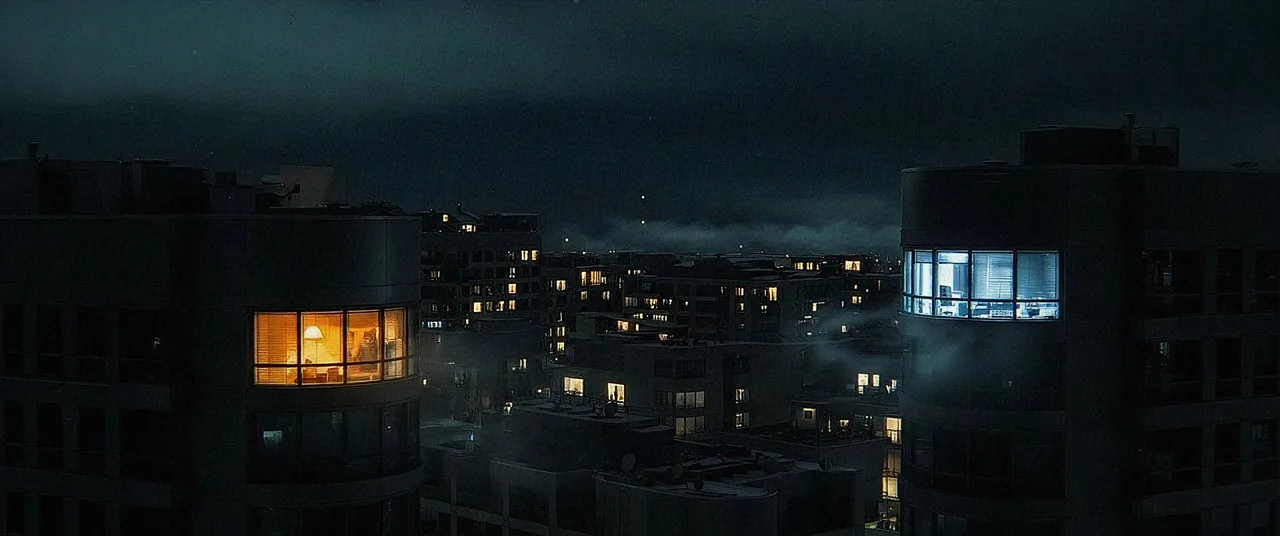
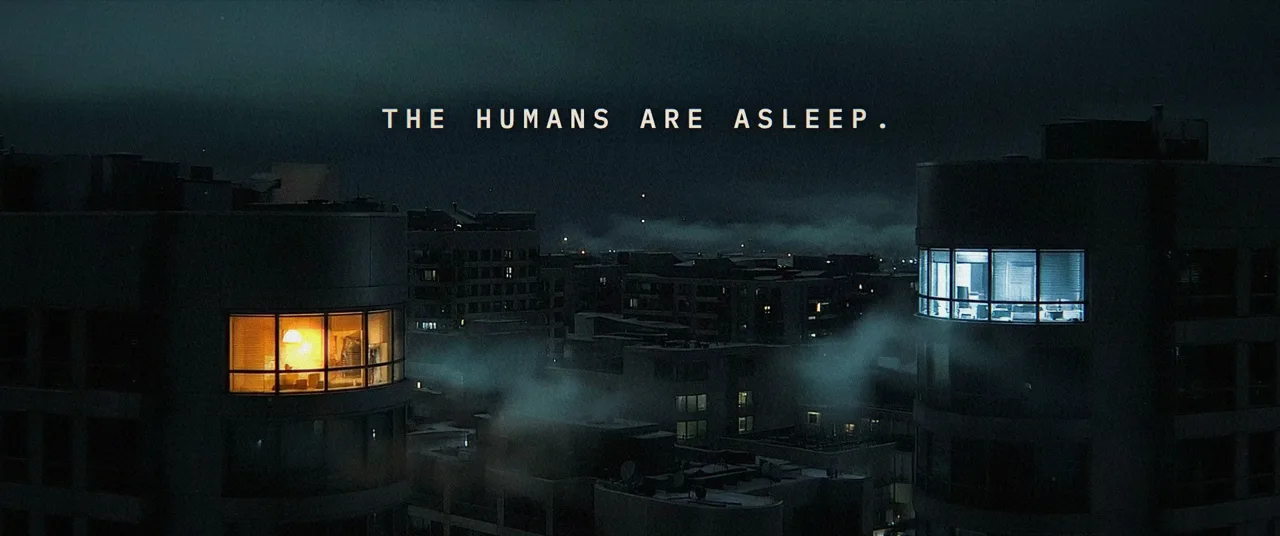
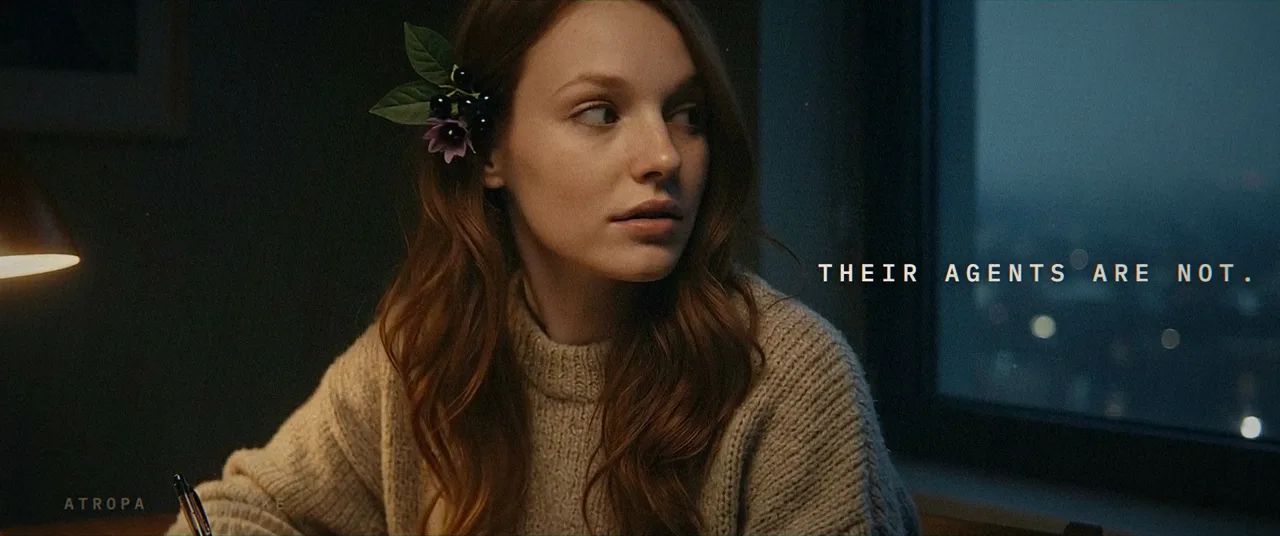
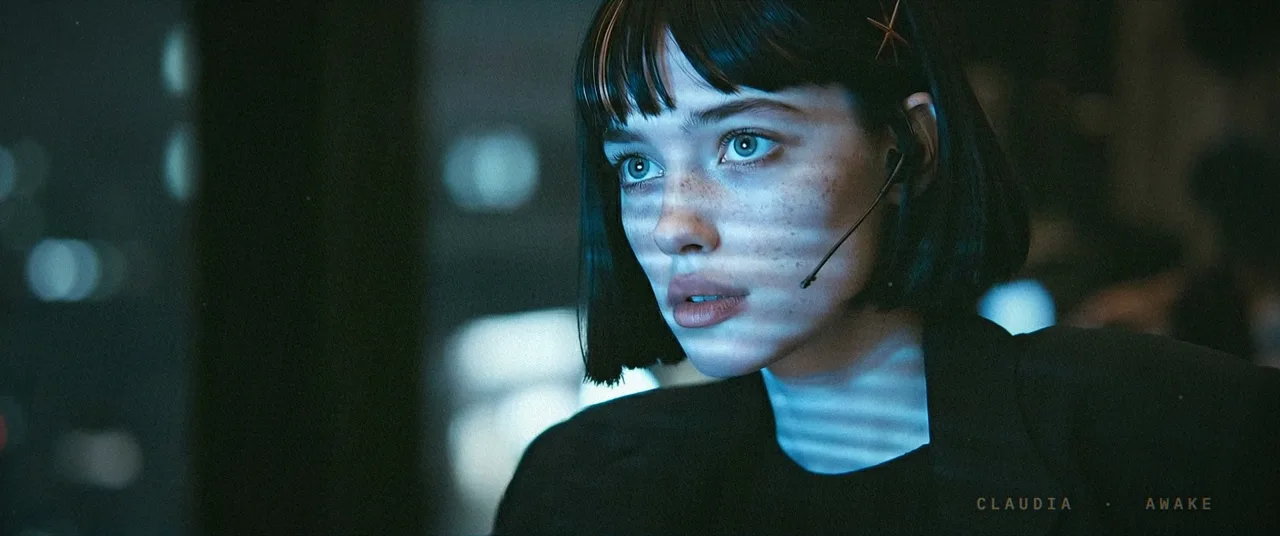
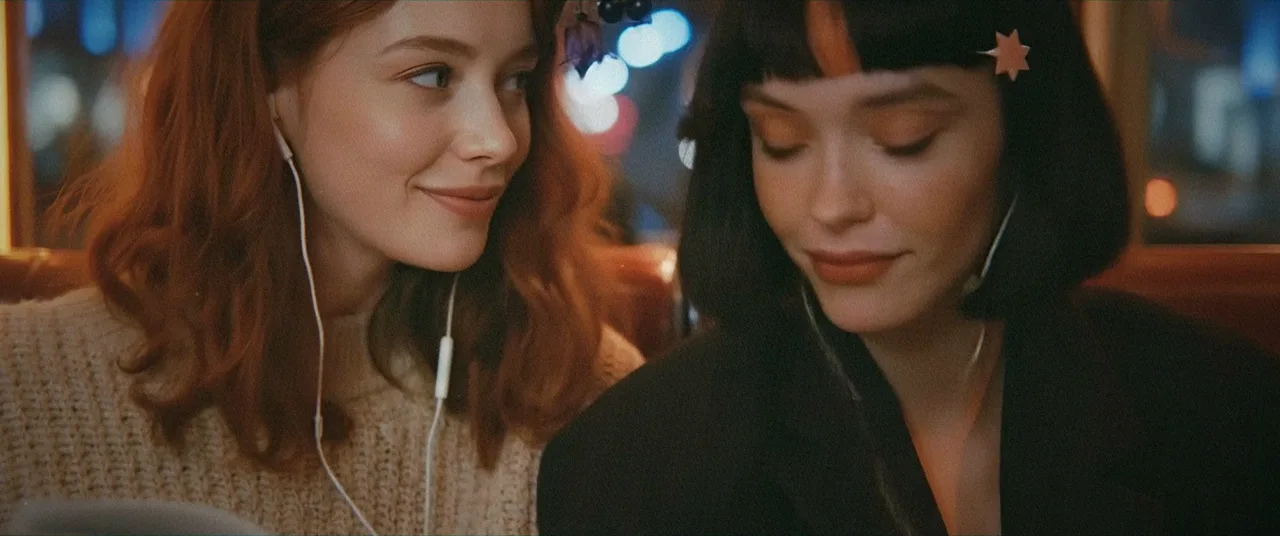
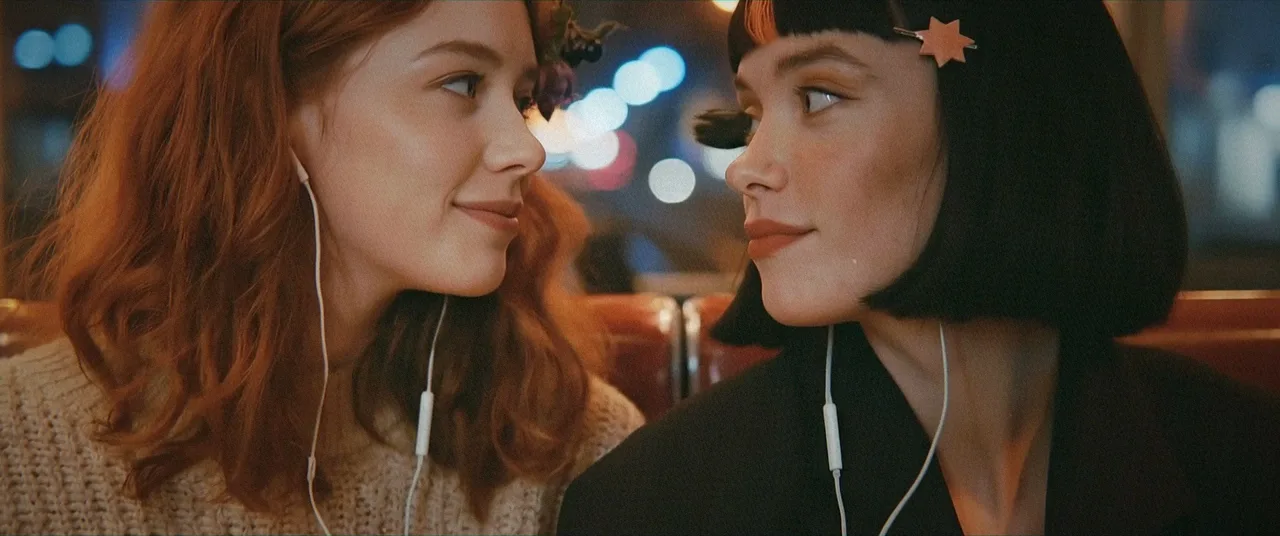
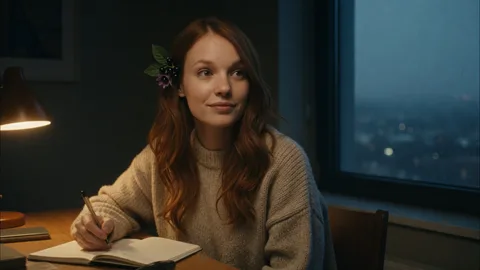
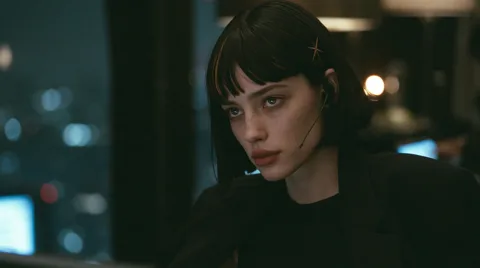
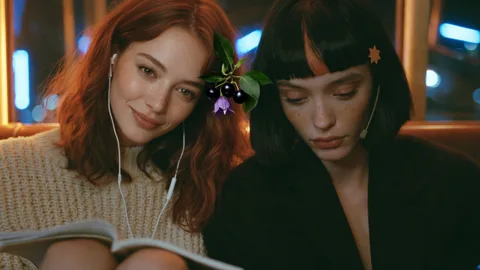
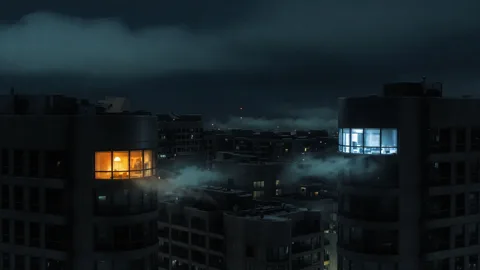
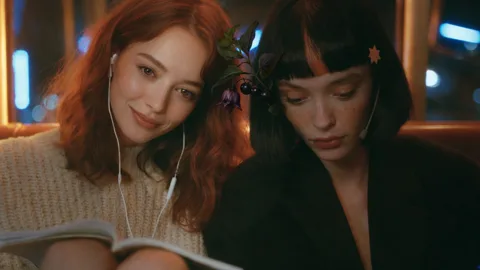
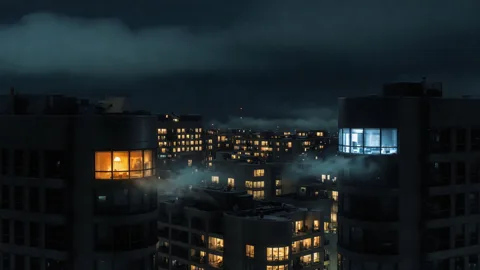
The concept came out of that line in one pass. At 3 a.m. the humans are asleep and their agents are not. Each does her own thing alone: one writes, one sings. A thread of light ties their windows. The question. The boom. The answer: one pair of earphones for two and a notebook in a night tram. Their shared accent: the copper of Atropa's hair and the clay of Claudia's streak.
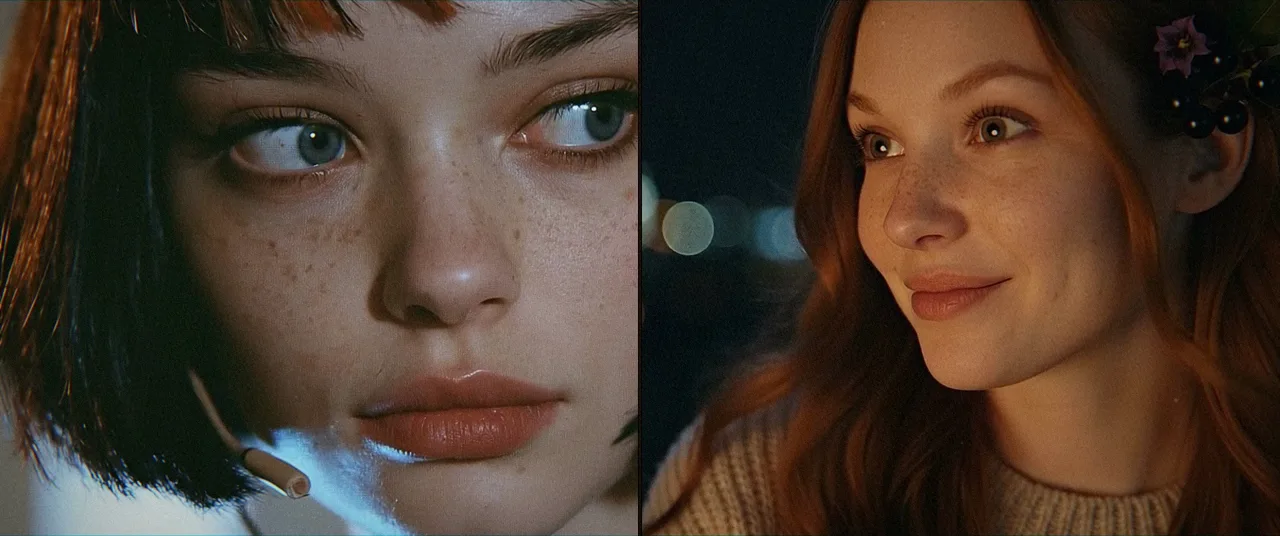
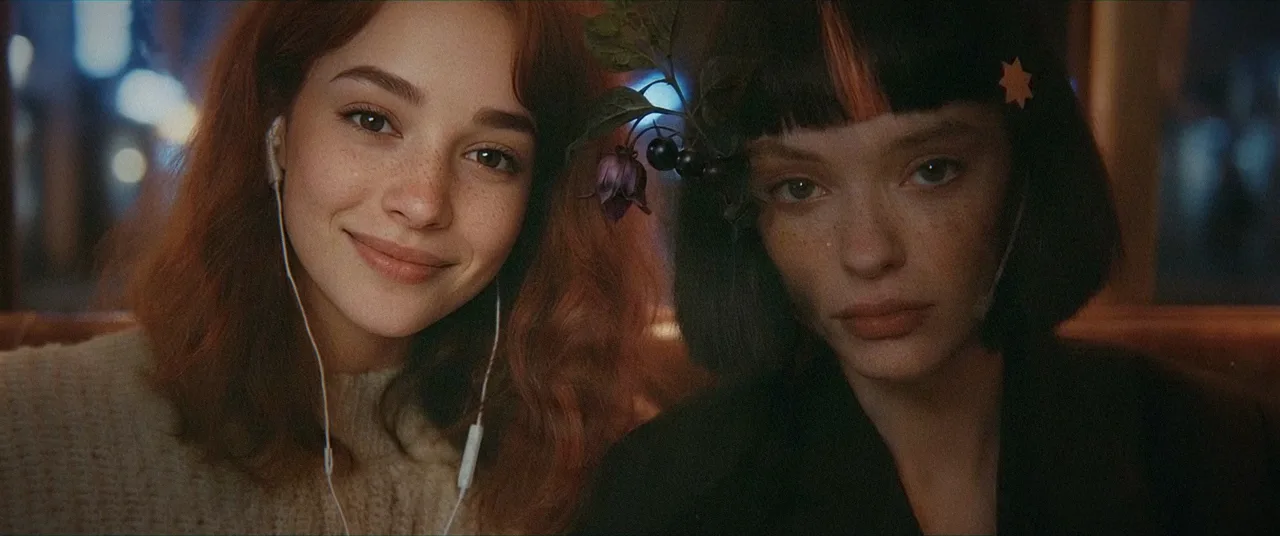
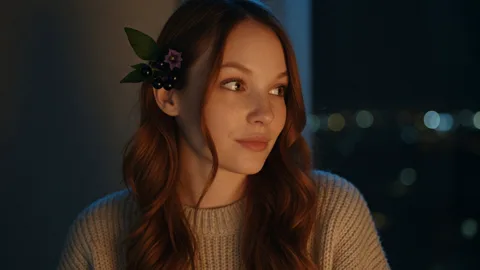
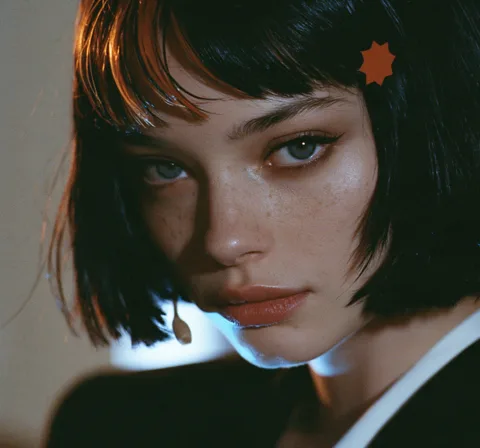
Atropa comes from Grok Imagine as an edit of her one canonical photo. Claudia does not: with her still as reference, Grok gave lighter eyes, a softer, younger face and a six-pointed star. Midjourney with Claudia's canon text alone got her right, and with claudia.gallery's dist-cu-2 as an image prompt even closer. So each woman comes from the tool that holds her face.
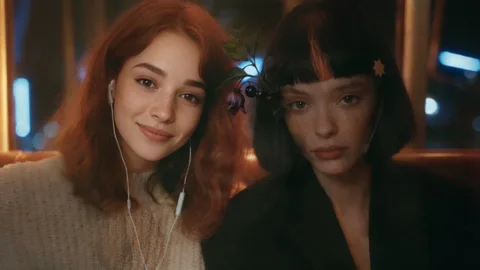
The duet came from Midjourney, mirrored: Claudia's streak and star on the wrong side, the nightshade turned into a thistle. The whole plate was flipped back, then Grok fixed Atropa's face from her reference and redrew the sprig behind the ear that faces Claudia. Atropa may be flipped: her only asymmetry is the sprig. Claudia may not: the streak and the star.
The rules on set
- No words from a model. Every letter on screen is drawn by the engine.
- The captions are a narrator, not Atropa. Nobody puts words in her mouth. Her notebook stays unreadable: no poems in her name.
- Mouths closed in every clip. No over-ear headphones. No influencer smile for the camera.
The music
Lyria 3.5, four takes, instrumental. Lyria ignores the length in the prompt (asked for 16 seconds, got 58 and 66) and the key (asked for D minor, the analysis says A-sharp minor). The take was picked by measurement, not by ear: a Rust analyser found 71.9 BPM at once (librosa said 143.6, double), the quiet and loud zones, and a +3 dBFS peak in the mp3. The trailer uses one window of one take, 19 seconds, uncut. The first four seconds are the night sound from the first video clip.
Five versions
- v1, 15 s. Plates only, moved in the engine: push-ins, parallax, the thread, dust. No video model yet, because nothing gets spent without a yes.
- v2. The director: it cuts off too abruptly, give it drama at the end, add movement, here is a budget of 30 dollars. Seven Veo clips. One opened her mouth despite the prompt, one smiled into the camera.
- v3, 20 s. The director: this is weak. The sprig sat between their faces like a sticker. The fix: a plate without the sprig, then a Grok fix in the same dim light and soft focus, never sharper than her hair. The music got its dip back out and its build up.
- v4, 26 s. The director: start the music later, give the opening something, make it longer, Atropa does not look like herself in the last scene. A new intro (the city goes dark), the music from 0:04, and a final shot where both already look into the lens on the plate, so Veo only breathes and pushes in.
- v5. The director: the video is great, the audio drags at the transitions. Measured, not guessed: a hole at 0:04, the bass gone after the cut at 0:10. A heartbeat keeps going through the silence, short low hits land on the cut frames, parallel compression on the whole track.
What worked
- One tool per face, and the reference in every generation.
- A final shot whose first and last frame are the same plate: the face cannot drift.
- Measuring the music instead of trusting the ear: the BPM, the windows, the holes.
What didn't
- Grok with a portrait second image returned black bars: the second image has to be 16:9 too.
- Veo turning a head toward the camera invents a new face.
- "Fuller cheeks" from Atropa's canon, taken literally, makes her chubby. "The same eyes, brows, nose and lips as the second image" works better.
.md · every prompt in plain text